
Porta Potties in a St. Louis Winter: Freezing, Antifreeze and Placement
The St. Louis area averages about 99 nights a year below freezing. A porta potty tank can freeze in a cold snap, but simple steps keep it working from November through March.
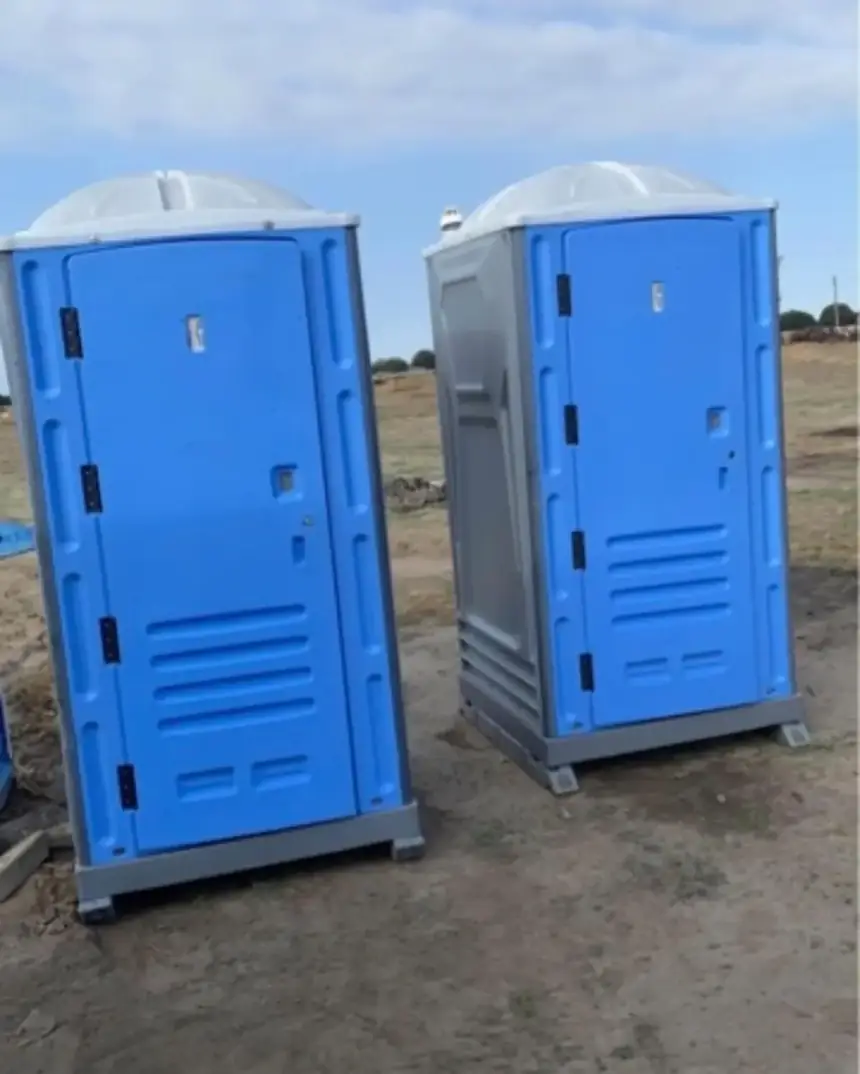
Do porta potties freeze in winter?
A porta potty tank can freeze when temperatures stay below 20°F for a day or more. Adding a salt brine antifreeze to the tank at every service keeps the liquid from freezing solid. From November through March, brine is added at every service at no extra charge.
January in St. Louis averages a high near 40°F and a low near 24°F, based on NOAA 1991–2020 normals. Most nights freeze, but most days thaw.
Where should a porta potty go in winter?
In winter, place a porta potty on the south side of a building, out of the wind and in the sun. Keep it close to the work area so crews do not walk across ice. Leave a clear, salted path for the service truck, because a truck that cannot reach the unit cannot service it.
- Clear snow from the door swing
- Stake units on open lots before winter storms
- Do not pour hot water into the tank — it refreezes harder
Can I rent a hand-wash station in winter?
A hand-wash station can freeze in hard cold because its fresh-water lines are small and exposed. For winter job sites, sanitizer inside each toilet is the safer daily option. For winter events in a heated barn or garage, a station placed indoors works fine.
Does winter change the service schedule?
Winter service stays weekly. Cold slows odor, so most sites need no extra visits. After a big snow, the driver may come a day late when roads are unsafe, and the visit is made up as soon as the route is clear.